
We are in the midst of Fountas & Pinnell Benchmark testing at my school. During a brainstorming moment I got the wild idea to create the video linked below for my schools families.
I hope it also is a reminder for other teachers. I was reminded of many things myself as I composed what I wanted to say within the video. I will share some of them now.
We cannot be pinning reading levels on our students. As educators we have to stop looking at readers as a level. They can and must be reading books at multiple levels in a range. We have to teach the reader not a level. Text levels are there as guides and to help us get good fit books into kids hands. We use the patterns and text demands typically found within those levels to help us pinpoint what readers need. Good fit books for readers should be based on more than the level itself however. Most books are not easily leveled and may fall into a range of levels themselves. Multiple factors come into play like content, text structure, sentence structure and the depth writer ask reader go to figure ideas out and how much the writer expects the reader to already understand and many others.
If a student tests at a level H instructionally, then the range of books that is best fit for them might be G,H, I, J. The range will vary with every child. You have to consider what the testing book required the reader to do able to do and what others books in the levels surrounding it require. You actually have to look at books individually within a range surrounding their Instructional level thinking about all of those text factors that vary with each book to find the best fit books. That is why analyzing a students running record is critical along with analyzing all of the conferring data you have on that reader.
I hope that as teachers we are not constantly rescuing students, giving them words and revealing to them if they are wrong or right when looking at us for answers or over scaffolding the comprehension work they need to experience doing for transfer to happen. If do this then kids will struggle at F&P testing time when you are really trying to bite your tongue. You should have already been noticing teeth marks on your tongue long before the testing period.

When we bite our tongues we give our students time to practice the strategies we have been teaching. We give them time to figure out what strategy would work best in the situation.
I also hope our students are getting a chance to practice in books that they are not overly familiar with from read-alouds and focus lessons where most of the thinking work of reading may have been done for them. I hope we are giving them time to experience thinking through the tricky parts of a texts. I hope we are not always telling them what strategy to use without giving them practice at figuring it out for themselves and building agency as readers. They need this practice prior to asking them to do it on their own during an assessment.
We must be giving students opportunities to figure out what strategy to use when meaning breaks down, instead of only using a strategy when told to. They have to feel what it is like to recognize meaning breaking down and then think through for themselves what the best option would be to help themselves. If we let them experience this decision-making process and coach them through it as needed throughout the year then our students will be more successful on any assessment that requires them to read.
I hope we are teaching students to always read for meaning which requires them to go back and reread whole sentence when they notice meaning breaking down. They have to learn to clarify their thinking. We must instill in them the desire to figure things out and to monitor for meaning. This includes monitoring for accuracy and comprehension. We must make sure our students are cross-checking and can use multiple strategies at a time, sometime mashing them together. When students reread sentences for me they often correct their miscues and make better sense of what they just read.
I hope we are anticipating the problems students may encounter during assessments ahead of time and teaching them the thinking they need to do to solve them for themselves. We will of course equip them with strategies and tools but we also have to teach them to think through the decision-making of when, where and how to apply those strategies and skills within texts at multiple levels. We have to remember to be intentional and mindful of our good intentions. Also remember as Alan Lakein says “planning is bringing the future into the present so you can do something about it now.”
Troy









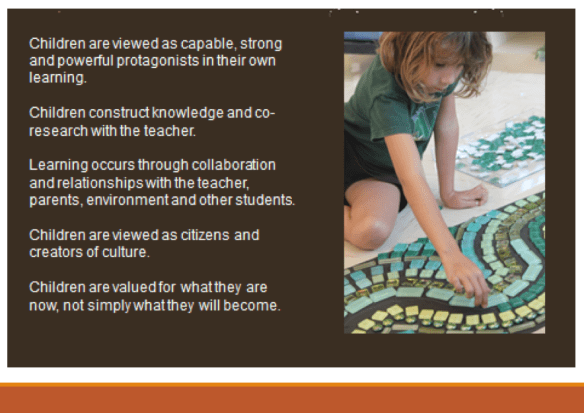

 When thinking about student engagement as I started reading Ellin Keene’s newest book Engaging Children: Igniting a Drive for Deeper Learning, I started to think about how I engage with people. Am I truly present in conversations with my wife and children. At times I admit I may appear to be listening with intention, however I am really being compliant, not fully mentally present. I am not truly engaged anticipating what might occur next, creating new background knowledge, asking questions, showing intense focus and concentration towards the topic of discussion and trying to apply what we are talking about in a new or interesting way to help solve a problem or give insight. That is what we want when we have conversations with people, right? I actually ask a lot of questions, but my questions tend to fall short of the intended focus of the conversation and often frustrate my friends and family.
 This is how Jan Richardson introduces teaching points in her book The Next Step in Guided Reading (2009).
  Vicki Vinton explains the benefits of what she calls noticing and naming in her book



 Reflect
You must be logged in to post a comment.