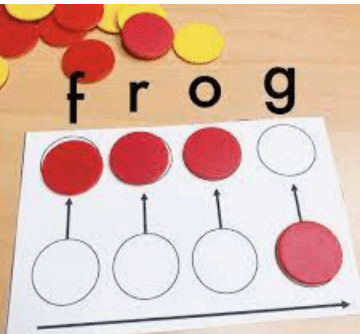
Once students learn letter sounds, they need lots of practice blending words together. There are a few different ways you can give this practice.
There are two main things that can make blending difficult for some children: auditory processing weakness and short-term memory weakness. You must ensure students are automatic with letter sounds as well. Often, times students are not automatic enough with some sounds, and it slows them down, and they are not hearing the blended word. You should not be discouraged from working with students on blending if they do not know all letters and sounds, however. It is our job to know the letters and sounds we have taught and that each student has internalized. Hold students accountable for what they know. Work with those sounds when practicing blending, while pushing them forward.
When working with readers on blending, you need to keep a few things in mind. Recognize that some sounds are continuous sounds while others are stop sounds. When students recognize this after modeling and discussion, it helps them fluently blend words.
When introducing CVC words to beginning readers, make sure to do so by modeling how to say the words without completely stopping between sounds. We have to make certain that our kids understand that the individual sounds in words blend together. This is also where Set For Variability comes into play. I discussed this in my last blog post.
One strategy that I have found helpful when a student is struggling with blending is teaching them to blend the first two sounds in a word together. This works with CVC words and words with blends and digraphs. The kids who have processing issues often mix up the last sound. Blending the first two sounds together helps alleviate some of the cognitive load. It also activates their word knowledge causing the brain to start making connections with possible words students have in their oral vocabulary and or reading and writing memories.
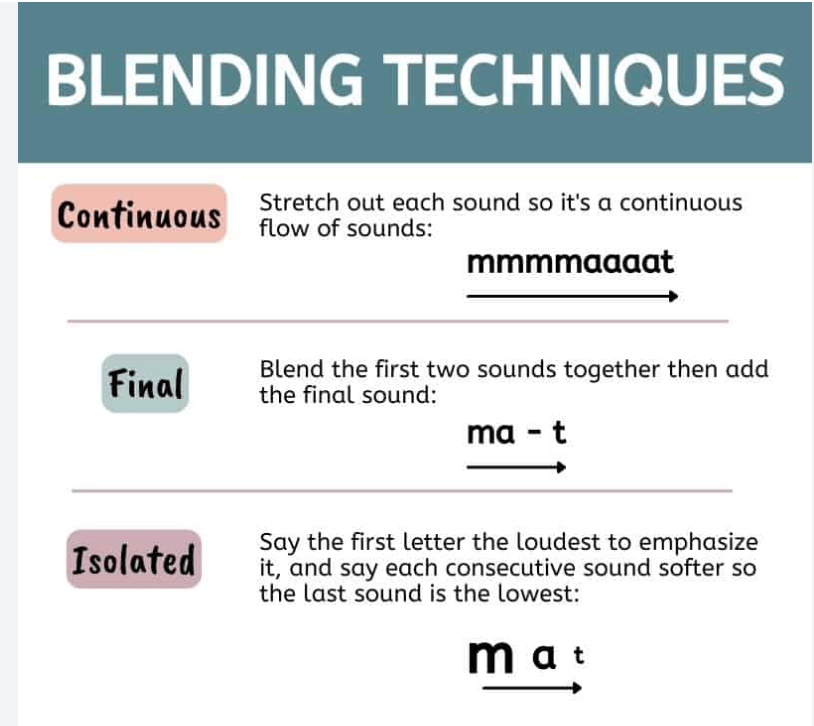
This can also make easier transitions when working with word chunks and words that rhyme. Our brain is always trying to make meaning and does so when learning to read by recognizing meaningful letter strings and chunks contained in words that can help us understand their meanings.
I have linked a blog post from Burkins & Yates discussing some other great things to keep in mind when teaching blending.
Enjoy, they offer some great ideas!
Troy
 Reflect
You must be logged in to post a comment.